Electrical Checks Before Handover in a Rented Home: Circuit Breaker, Lights and Who May Touch Them
Electrical problems at handover are rarely dramatic. They are a light nobody wrote on the inventory, a breaker that keeps tripping, or a quick fix by a friend that the landlord later questions. This guide gives you a short checklist and the rules behind it, so you do not lose your deposit to something that took ten minutes to check.
What should I check before handover?
- Lights, switches and sockets. Anything that does not work now is easier to explain than a surprise on inspection day.
- Aircon and water heater points. Make sure they are as you found them.
- Anything you added. Lamps, fans or track lights you installed need a plan: leave them, or have them removed properly.
- The residual current circuit breaker (RCCB). Test it using the steps below.
How do I test my home’s residual current circuit breaker (RCCB)?
- Push the test button on the circuit breaker. The switch should trip.
- If it does not trip, call a Licensed Electrical Worker immediately.
- Restore the switch to its original position.
The test button is on the RCCB on your distribution board; if you cannot tell which device it is, ask a Licensed Electrical Worker instead of guessing. The steps are from the Consumer Product Safety Office guidance, last updated 19 May 2026. Our own tip: unplug sensitive electronics first, and note that your board may look different, so check its labels.
Why does my breaker keep tripping?
If it only trips when one appliance is plugged in, stop using that appliance. If it trips with everything unplugged, stop and book a Licensed Electrical Worker. Ask for a written note of what was found, with photos of the board, so any handover discussion with the landlord rests on facts.
Which handover items count as electrical work?
Section 82(8) of the Electricity Act 2001 carves out two things for your own installation, replacing a lamp and replacing a fuse similar to that of a household, subject to other written law. For other electrical work, section 82(1) requires a licensed electrical worker or someone working under one’s supervision. Our guide to the licensed electrical worker rule sets out the sections and penalties, and our guide to curtains, blinds and light fittings at handover explains what usually stays.
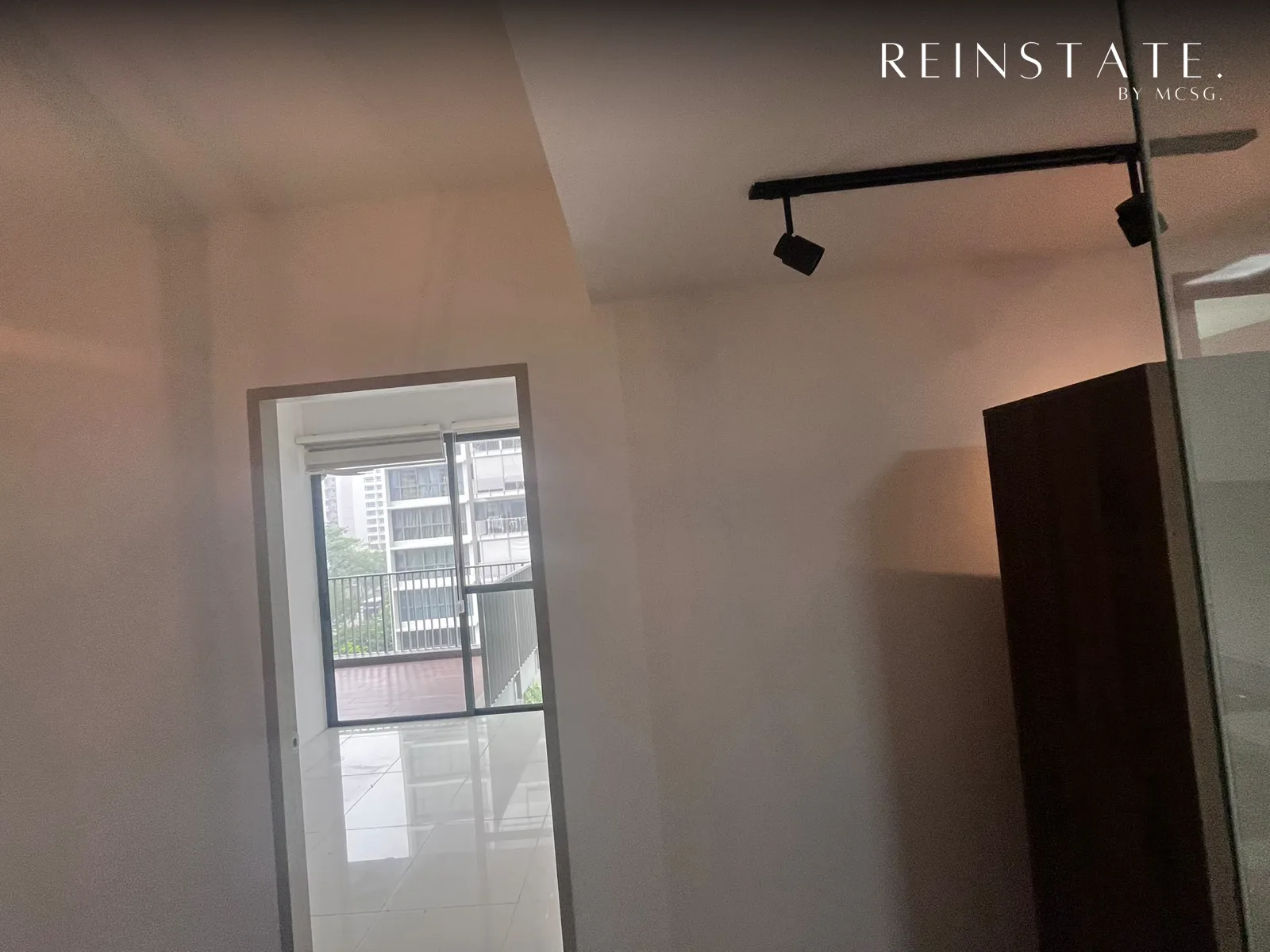
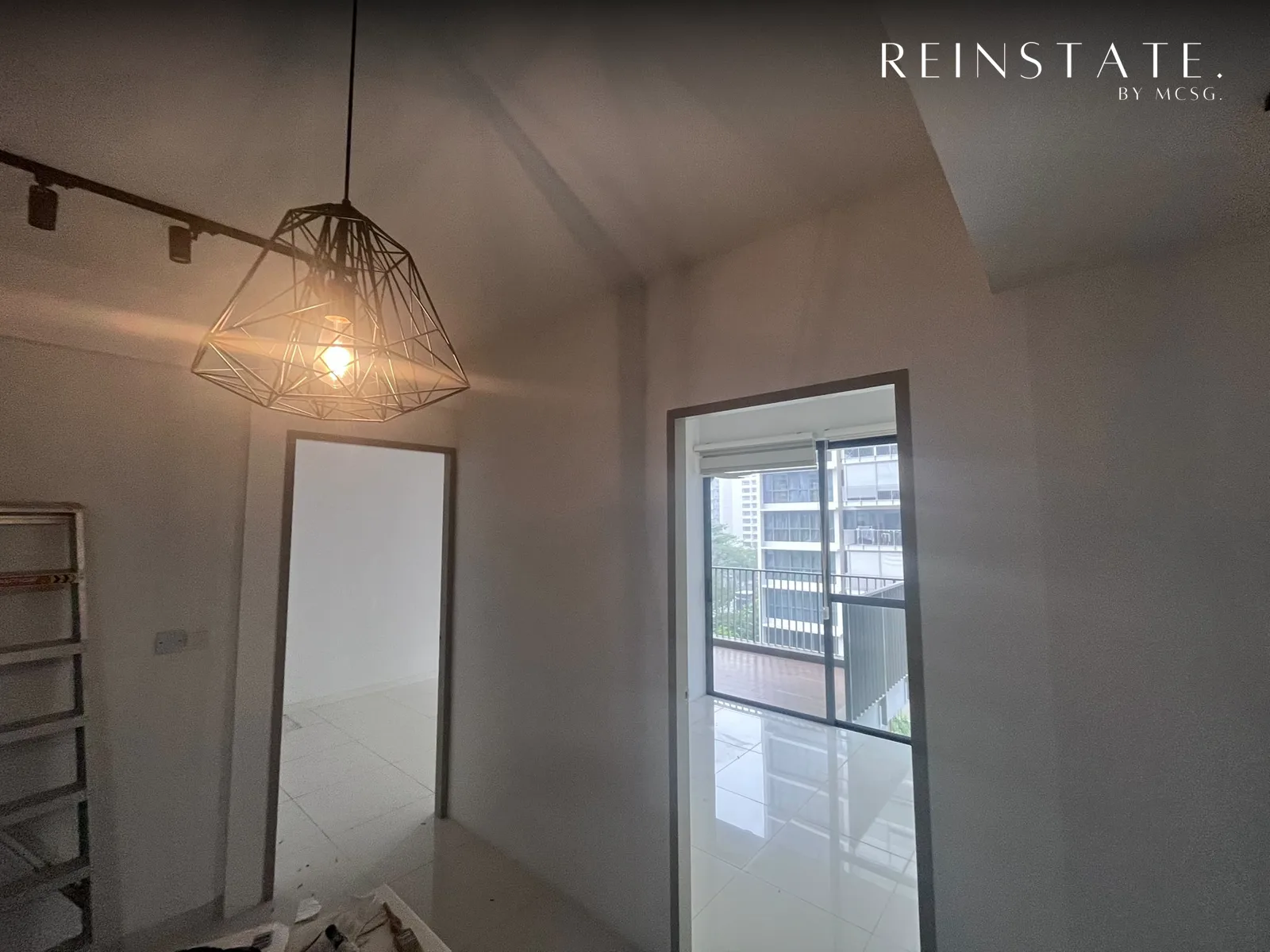
In unit photos like these, fittings such as track lights are easy to overlook on an inventory. Whether they stay is a tenancy question. How they are removed or capped is an electrical one.
How do I check an electrician is licensed?
Use the search for electrical workers who offer services to consumers, and match the name and licence number to the person who turns up. The class of licence depends on the scale of the installation. For an ordinary home the standard electrician class is usually enough, but confirm it for your unit.
- Ask for the licence number in writing before you book.
- Ask for a written scope: what will be done, and what will be left.
- Ask for photos of the board and any changed fittings before and after.
- Ask what the electrician will tell you if they find a fault outside the scope.
Where does electrical work fit in the handover order?
Frequently asked questions
Can I change a light fitting myself before handover?
How often should I test my residual current circuit breaker (RCCB)?
Who pays if the DB box needs repair at the end of a tenancy?
What if the landlord says a light fitting is missing?
Want a second pair of eyes before handover?
Send photos of your distribution board with only its outer door open, any lights you added, and the handover clause. We will tell you what we would check first and who should do it, before anything is quoted.
WhatsApp us the photos →- Consumer Product Safety Office: check your home circuit breaker regularly
- EMA: engaging licensed electrical workers
- Singapore Statutes Online: Electricity Act 2001, section 82
- REINSTATE.by MCSG: licensed electrical worker rule
Authoritative sources for further reading. This guide is general information, not legal or electrical advice. A Licensed Electrical Worker can assess an electrical fault; your tenancy agreement and a written discussion with your landlord decide who pays.